7 reasons to go barefoot at home
Published in Home and Consumer News
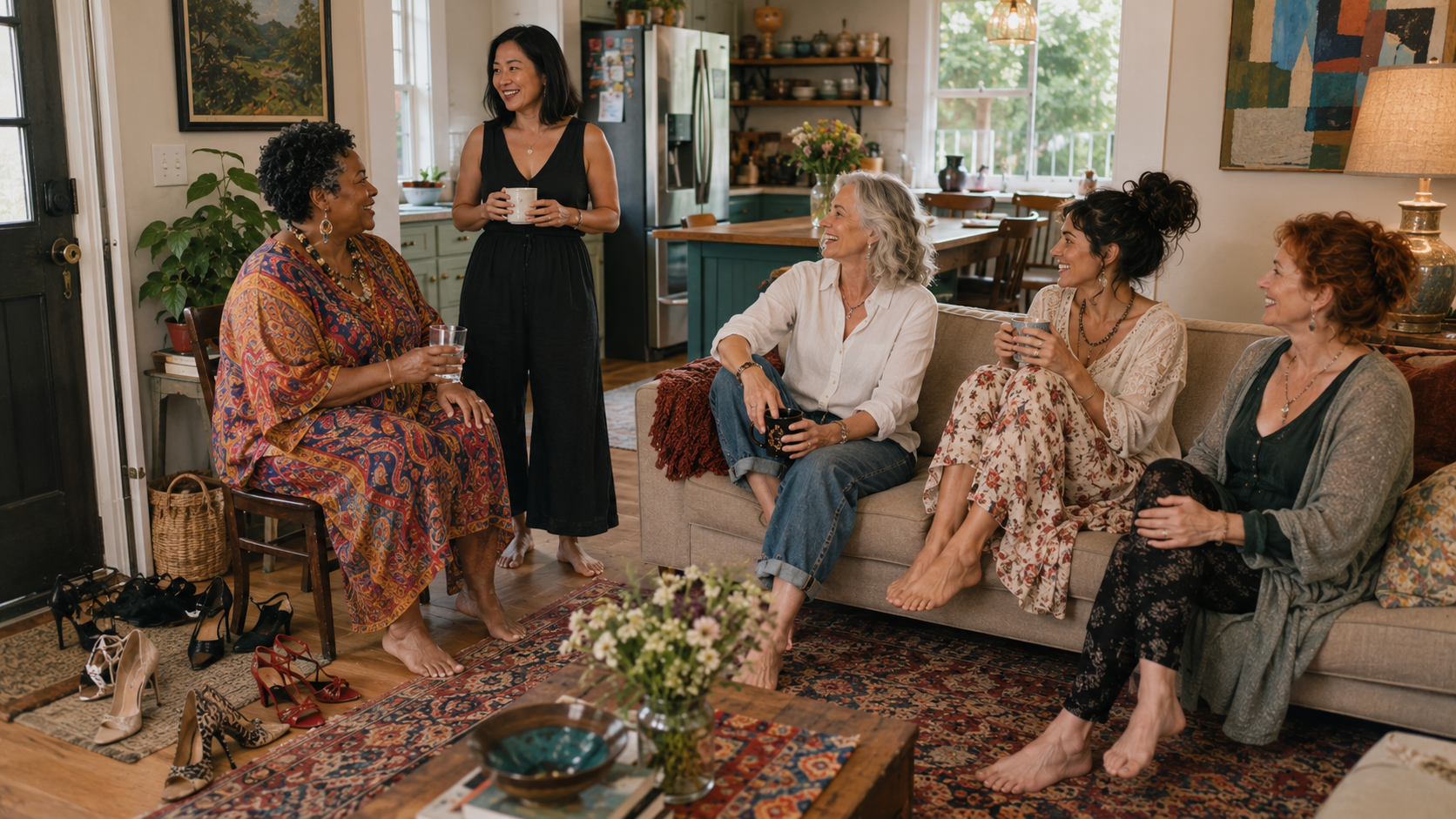
Home is where people relax, recharge and step away from the demands of the outside world. For many, that also means stepping away from shoes. Going barefoot at home may feel like a small lifestyle choice, but it can offer practical benefits ranging from comfort and cleanliness to greater awareness of how the body moves.
Barefoot living is not appropriate for everyone. People with diabetes, reduced foot sensation, circulation problems, open wounds or certain orthopedic conditions should follow guidance from a medical professional. Floors should also be kept clear of sharp objects and other hazards. For most people, however, spending at least part of the day without shoes can be a simple and enjoyable habit.
Here are seven reasons to consider leaving your shoes at the door.
1. It gives your feet a break
Shoes protect feet from weather, rough surfaces and injuries, but they also confine them. Even properly fitted shoes can create pressure around the toes, heels and sides of the feet after hours of wear.
Going barefoot at home allows the toes to spread naturally and gives the skin a chance to breathe. It can feel especially refreshing after a workday spent in dress shoes, boots or athletic footwear. Removing socks may also help people notice areas of rubbing, irritation or tenderness before they become more troublesome.
Barefoot time should not be painful. Persistent heel, arch or joint pain deserves attention rather than an attempt to “push through” it.
2. It may encourage more natural movement
Shoes can alter the way a person stands and walks, particularly when they have thick soles, raised heels or rigid construction. Bare feet provide direct contact with the floor, allowing people to feel how their weight shifts from the heel through the forefoot and toes.
That sensory feedback may encourage shorter, quieter steps around the house. It can also make people more conscious of posture, balance and foot placement. Instead of stomping or sliding across the floor, a barefoot person often begins moving with greater care.
This does not mean everyone should suddenly begin running or exercising barefoot. Walking naturally around a safe home is different from performing high-impact activity without proper preparation.
3. It can gently engage the feet and lower legs
Each foot contains numerous small muscles that help control the arches, toes and overall stability of the body. Supportive footwear can be useful, but constantly relying on stiff shoes may mean some of those muscles do less work during ordinary movement.
Walking barefoot over level household surfaces asks the feet and ankles to make small adjustments. Standing while cooking, moving through a room or rising onto the toes to reach a shelf can provide mild, everyday engagement.
The effect should be gradual rather than strenuous. A person accustomed to wearing shoes at all times may initially prefer short barefoot periods before extending them.
4. It can improve awareness of household hazards
Bare feet provide immediate information about the environment. A person may quickly notice a sticky kitchen floor, spilled water, scattered pet food or a small toy underfoot. That heightened awareness can encourage more frequent cleaning and faster responses to minor household problems.
Of course, bare feet are also more vulnerable to sharp objects. Homes with children, pets, broken flooring or ongoing renovation work require extra care. Sweeping regularly and keeping walkways uncluttered are important parts of safe barefoot living.
The goal is not to treat bare feet as protective equipment. It is to recognize that direct contact with the floor can make people more attentive to their surroundings.
5. It helps keep outdoor dirt from spreading
Shoes can carry soil, dust, moisture and debris from sidewalks, parking lots, public buildings and yards. Leaving them near the entrance reduces the amount of outdoor material tracked across carpets and hard floors.
A shoes-off household may require less sweeping and vacuuming, particularly near frequently used entrances. It can also help protect rugs and flooring from grit that becomes ground into the surface over time.
Households can make the custom easier for visitors by providing a bench, shoe rack or basket near the door. Clean slippers or nonslip socks can be offered to guests who are uncomfortable going barefoot.
6. It offers a simple form of relaxation
Taking off one’s shoes often signals that the formal part of the day is over. Like changing out of work clothes, it can become a small transition ritual between outside responsibilities and home life.
Feeling a cool kitchen floor, a soft rug or warm wood beneath the feet can be calming. The experience is ordinary, immediate and free. It requires no equipment, subscription or elaborate wellness routine.
Some people also enjoy stretching their toes, rolling their ankles or gently massaging their feet after removing their shoes. These actions can turn a routine moment into a brief pause for physical and mental relaxation.
7. It can help people understand what their feet need
Shoes can conceal changes in the feet. Regular barefoot time gives people an opportunity to notice dry skin, swelling, bruising, redness, changes in the nails or uneven wear patterns on the soles.
It can also reveal how different surfaces affect comfort. Someone may feel fine on carpet but develop discomfort on tile, suggesting that more cushioning or supportive indoor footwear could be useful. Another person may discover that a wider toe box or more flexible shoe would better match the natural shape of the foot.
Going barefoot should not become a test of toughness. The best approach is the one that leaves a person comfortable, stable and free of pain.
For many households, barefoot living is less a health program than a practical preference. It can make the home feel cleaner, quieter and more relaxed while giving the feet room to move naturally. With safe floors, reasonable precautions and attention to individual needs, leaving shoes at the door may be one of the easiest ways to feel more at home.
========
Marina Ellsworth is a lifestyle writer who explores practical ways to make everyday homes more comfortable, healthy and welcoming. She specializes in approachable wellness, household traditions and simple routines that support daily well-being. This article was written, in part, utilizing AI tools.





Comments