On the way to China, or why is my dog digging?
Published in Cats & Dogs News
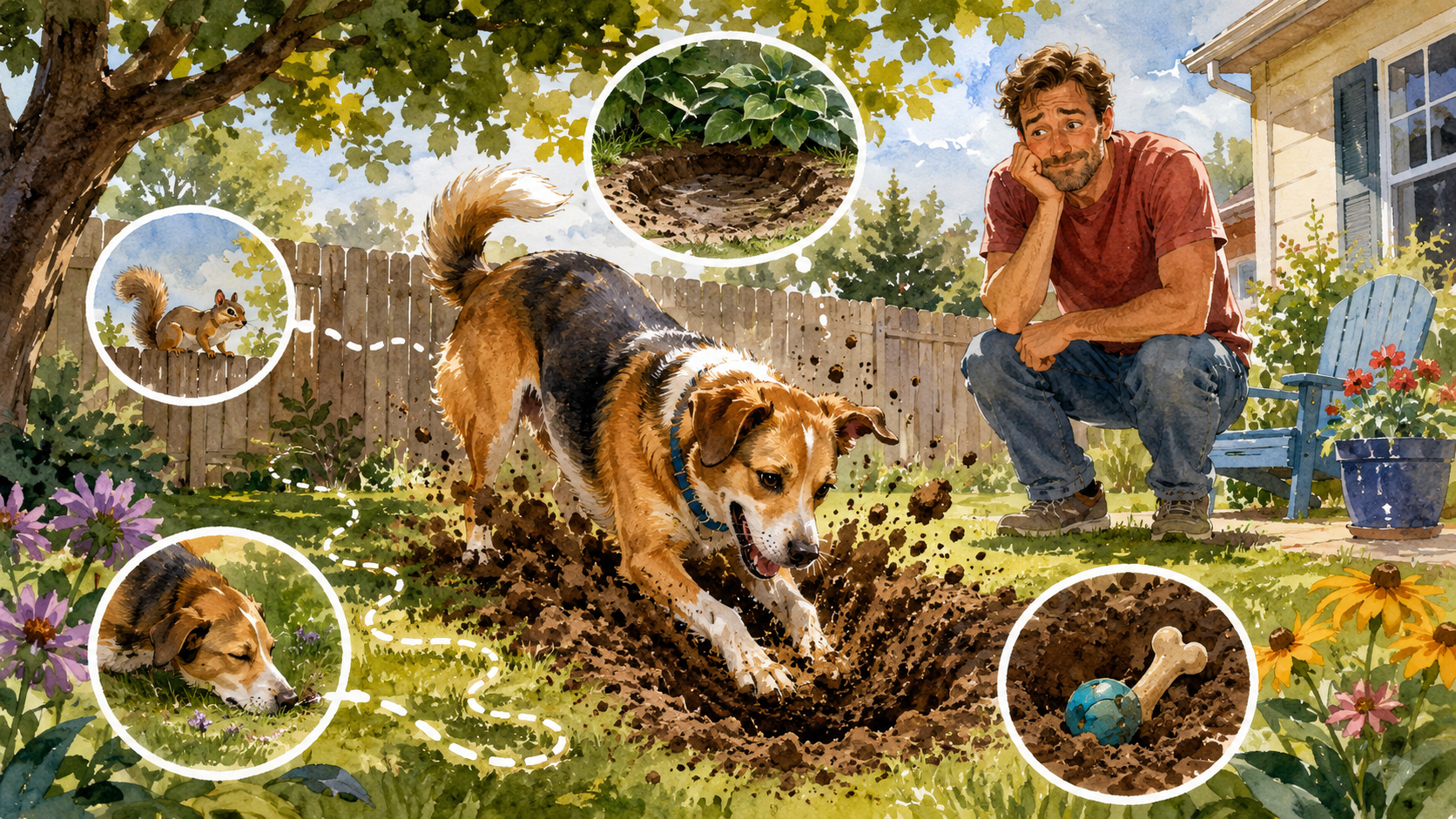
Every dog owner with a yard has seen it happen. The dog trots outside with innocent intentions, sniffs the grass, circles once or twice, then suddenly begins excavating as if entrusted with urgent geological work.
Dirt flies. Paws blur. A neat patch of lawn becomes a crater. The dog looks delighted. The human looks betrayed.
Digging is one of those behaviors that can be charming, baffling or maddening, depending on where it happens. A dog digging at the beach is adorable. A dog digging in the flower bed is less so. A dog digging under the fence is a problem. And a dog digging through the couch cushions like there is buried treasure beneath them is, at the very least, committed.
The old joke is that the dog is trying to dig all the way to China. The truth is usually less ambitious but more useful to understand. Dogs dig for reasons rooted in instinct, comfort, boredom, scent, temperature, anxiety and fun.
Digging is normal dog behavior
Digging is not automatically a sign that something is wrong. Many dogs dig because digging is deeply satisfying. It gives them sensory feedback, burns energy and lets them use paws, nose and brain together.
Some breeds were developed to dig. Terriers, dachshunds and other earth-working dogs were bred to pursue animals underground or flush them from dens. For those dogs, digging is not a bad habit so much as an inherited job description. Scent hounds may dig when a smell disappears into soil or mulch. Northern breeds may dig shallow pits to create a cool resting spot.
Even dogs with no obvious digging heritage may discover that making a hole is fun. Soil moves. Roots resist. Bugs appear. The world under the surface smells interesting.
A dog that digs occasionally in an acceptable spot may not need correction. The goal is not to make the dog less doglike. The goal is to prevent damage, danger and frustration.
Boredom can turn paws into shovels
A bored dog will invent work. Digging is one of the easiest projects available.
Dogs that spend long stretches alone in the yard without exercise, toys or interaction may dig simply because there is nothing better to do. This is especially true for young dogs, high-energy dogs and smart dogs that need mental stimulation.
A bored digger often creates multiple holes, revisits favorite spots and may seem most destructive when underexercised. The answer is not only to scold the hole after the fact. The better approach is to change the dog’s daily routine.
More walks, play sessions, puzzle toys, scent games and training practice can reduce digging driven by boredom. A tired dog is not always a perfect dog, but a dog with enough physical and mental outlets is less likely to redesign the yard.
Dogs dig to get comfortable
Sometimes digging is less about mischief and more about temperature control.
On hot days, a dog may dig into cool soil and lie in the shallow depression. On cold days, some dogs dig or burrow into blankets to create a warmer nest. Indoors, the same instinct may show up as scratching at bedding, circling before lying down or pawing at a couch cushion.
This behavior is especially common in dogs that like to “den.” They are not trying to destroy the bed. They are trying to make the bed feel right.
If a dog is digging outside to cool off, provide shade, fresh water and a more comfortable place to rest. In very hot weather, bring the dog inside. If indoor digging targets blankets or beds, consider giving the dog a washable blanket or dedicated nesting bed where pawing is allowed.
Scent can trigger excavation
A dog’s nose knows things humans do not. A patch of soil that looks ordinary to a person may smell like a mouse, mole, chipmunk, buried treat, old bone, another dog’s visit or last night’s spilled hamburger grease.
Dogs may dig because they are following scent underground. This can be hard to stop, especially if wildlife is active in the yard. Raised garden beds, mulch, compost and soft soil are especially tempting because they hold smells well and are easy to move.
If scent-driven digging is the issue, block access to the most tempting areas. Use fencing around gardens, supervise yard time and remove food smells from outdoor spaces. If wildlife is the cause, humane pest control may be needed.
Do not punish a dog for finding the world interesting. Redirect the dog to an approved activity, such as a sniff walk or digging box.
Some dogs bury treasure
Many dogs dig because they want to hide something. Bones, chews, toys and stolen household objects may be cached in dirt, blankets, laundry piles or couch cushions.
This instinct comes from a long history of storing food for later. A well-fed modern dog may still feel the ancient urge to save a prized item from imaginary thieves.
If the dog buries chews outside and later digs them up, consider limiting outdoor access to high-value items. Indoors, provide a specific blanket or bed where nesting and hiding are acceptable. If the dog guards buried items, consult a trainer, because resource guarding can become serious.
Fence digging needs quick attention
A dog digging in the middle of the yard is one issue. A dog digging under the fence is another.
Fence digging may be driven by curiosity, prey drive, loneliness, fear, mating instinct or a desire to chase people, dogs or wildlife on the other side. It can quickly become dangerous. Escaped dogs can be hit by cars, get lost or have confrontations with other animals.
Do not leave a fence digger unsupervised. Block the bottom of the fence with buried wire mesh, concrete pavers, landscape timbers or other safe barriers. Make the yard more interesting, and make sure the dog gets enough exercise and companionship.
If the dog is intact and trying to roam, spaying or neutering may reduce the urge, though it is not a magic solution. If the digging is fear-based, especially during storms or fireworks, the dog needs comfort, containment and possibly veterinary guidance.
Anxiety can look like destruction
Some dogs dig when they are anxious. This may happen near doors, windows, fences, crates or bedding. The dog is not trying to be bad. The dog is trying to cope.
Separation anxiety can lead dogs to dig at exit points, chew door frames or claw at flooring. Noise phobias can cause frantic digging during storms, fireworks or construction. In these cases, the digging often looks desperate rather than playful.
Anxious digging should not be treated as a simple obedience problem. The dog may need behavior modification, a safer confinement plan, more predictable routines, calming tools or medication prescribed by a veterinarian.
A dog in panic cannot be trained by punishment. The fear has to be addressed.
Give the dog a legal digging spot
For some dogs, the best solution is not “no digging.” It is “dig here.”
A digging box or designated yard corner can satisfy the urge while saving the lawn. Use loose soil or sand in a contained area. Bury toys or treats just below the surface and praise the dog for digging there. If the dog digs elsewhere, interrupt calmly and guide the dog back to the approved spot.
Consistency matters. A dog will not understand that digging is allowed on Tuesday near the shed but forbidden on Friday by the roses unless the rules are clear.
For apartment dogs, indoor scent games, snuffle mats and puzzle toys can provide some of the same satisfaction without the dirt.
Protect gardens and landscaping
Garden beds are irresistible to many dogs because the soil is soft, scented and often freshly turned. New plants also smell interesting and may be right at nose level.
Use small fences, raised beds, decorative edging or plant cages to protect vulnerable areas. Avoid cocoa mulch, toxic plants and chemicals that can harm pets. If a dog keeps digging in one location, check for rodents or burrowing animals.
Some owners create a compromise: a beautiful garden for people and a digging zone for the dog. This is not surrender. It is household diplomacy.
Know when to call for help
Occasional digging is normal. Sudden, obsessive or frantic digging deserves closer attention.
Call a veterinarian if digging begins suddenly along with other changes, such as restlessness, panting, pacing, hiding, appetite changes, excessive thirst or signs of pain. Dogs may scratch at floors or bedding when they are uncomfortable. Senior dogs with cognitive changes may also show new repetitive behaviors.
A certified trainer or behavior consultant can help if digging is tied to anxiety, escape attempts or destructive patterns that do not improve with routine changes.
Most digging has a reason. The dog may be bored, hot, curious, anxious, instinctive or simply entertained. Understanding the reason makes the solution easier.
Dogs are not trying to ruin the yard out of spite. They are being dogs, equipped with paws, noses and ancient instructions. The trick is to give those instincts somewhere safe to go.
So the next time your dog starts digging as if there is an urgent tunnel to China, pause before yelling across the yard. Look at the weather, the fence, the dog’s exercise, the scent of the soil and the amount of fun the dog has had that day.
The hole is annoying. But it is also a message. A smart owner learns to read it before filling it back in.
========
Clara Fenwick writes about pets, home life and the small mysteries of everyday animal behavior. She believes most household problems make more sense once you consider the dog’s point of view. This article was written, in part, utilizing AI tools.








Comments