
Go away with ... Aisha Bowe
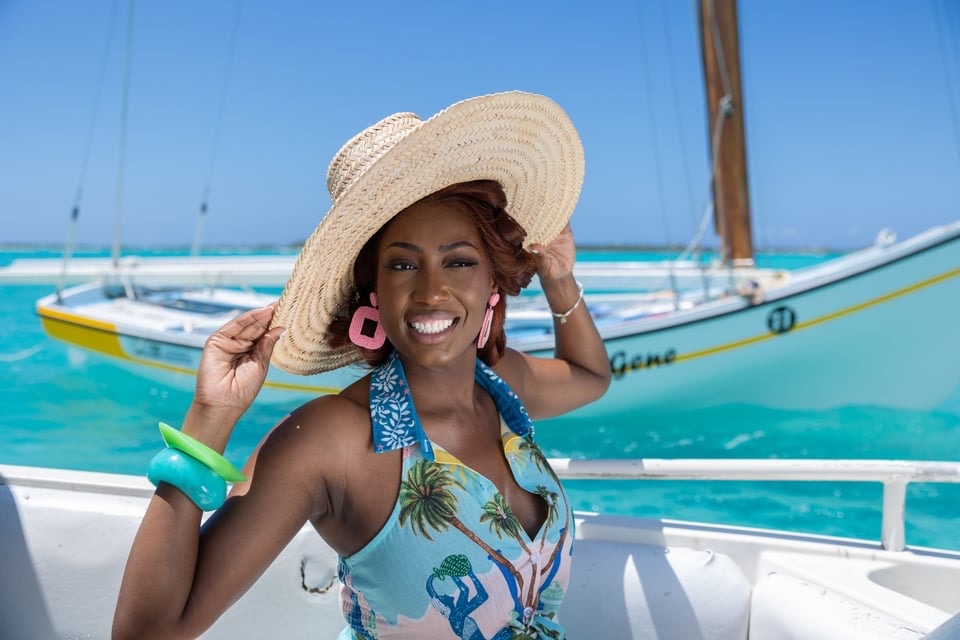


Former NASA rocket scientist Aisha Bowe made history last year as a member of the all-female Blue Origin crew. “The mission was about so much more than going to space,” Bowe said. “As a science payload operator, I helped conduct research on how plants respond to microgravity and radiation. The work could one day help us feed astronauts on long-duration missions and support humanity's future beyond Earth. But when I looked back at our planet, I wasn't thinking about the research. I was thinking about the journey. I thought about my teachers, mentors, family members and the student who once struggled in math and never imagined she'd one day look down at Earth from space. For me, the mission wasn't just about reaching space. It was about expanding who gets to see themselves there.”
For more information about Bowe and links to her social media, check out her website at https://www.aishabowe.com. This interview was edited for clarity and length.
Q: Are regular trips mundane now that you’ve been to outer space?
A: Space makes Earth better. Every new place still fills me with even more curiosity. What changed after space is how I see Earth. When you look down at this planet from 100 kilometers up, every destination looks impossibly precious. If anything, space made me want to explore more of this world, not less.
Q: Many children dream about becoming an astronaut. What was your dream?
A: Space was absolutely the dream. As a kid, I was fascinated by exploration. I wanted to visit exotic places, experience different cultures and see what existed beyond the horizon.
More than anything, I wanted a life bigger than the circumstances I was born into. I wanted to see what was out there, what I was capable of and how far I could go. In many ways, going to space was the realization of that dream, but the dream itself was always about exploration, growth and expanding what I believed was possible.
Q: Are there plans for you to go back to space?
A: The mission isn't finished. Stay tuned.
Q: How has your heritage impacted who you are?
A: Becoming the first person of Bahamian heritage to travel to space was incredibly meaningful because I knew I wasn't just carrying my own dreams with me. I was carrying the hopes of a nation that has always dreamed big.
Q: What was the first trip you took as a child?
A: The Bahamas. I remember staring out the airplane window as the water turned from deep blue to every shade of turquoise imaginable. Then there was the smell of salt in the air, sandy feet and long days spent in and around the ocean. The ocean was my first introduction to wonder. I didn't know it then, but I've been chasing that feeling ever since. My grandfather just celebrated his 94th birthday, so family is a big reason I return home. But if I'm being honest, fresh snapper, conch salad and water so blue it doesn't look real don't hurt either
Q: What would be your dream trip?
A: A Michelin three-star tour of the world that ends in Patagonia. I love discovering places through food, so I would happily chase extraordinary meals across continents. But I would want the journey to end somewhere wild and humbling. Patagonia is the kind of place that makes you feel small in the best possible way. Wind, mountains, glaciers and landscapes that look untouched by time. After all the movement, all the cities and all the excitement, I can't imagine a better place to pause, reflect and remember just how big the world really is.
Q: Do you get car or air sick?
A: Thankfully, no. I've pretty much done everything possible to test my limits from fighter jets, to centrifuges, skydives and spaceflight. At this point, my inner ear and I have come to an understanding. I'm a scuba diver, mountain climber and long-hike enthusiast. I've always been drawn to adventure, whether it's underwater, on a mountaintop or 62 miles above Earth.
Q: How important do you think it is for young people to experience travel?
A: It's one of the most powerful forms of education that exists. Travel teaches you that the way you grew up is not the only way to see the world. I've learned as much from conversations in India, Zanzibar, Egypt and Côte d'Ivoire as I have from any classroom. Travel builds empathy, curiosity and confidence. It reminds you that the world is bigger than your own experience and that's a lesson every young person deserves.
Q: What's the most important thing you've learned from your travels?
A: The ZIP code changes. The dream doesn't. I've traveled from Mongolia to Kyrgyzstan, Japan to South Africa and many places in between. Travel has taught me that the world is incredibly diverse and surprisingly connected.
Q: Where would you like to go that you have never been to before?
A: Salar de Uyuni in Bolivia is high on my list. I'd also love to visit Antarctica. It is one of the few places left that can still make you feel like a true explorer.
Q: Which area of the world is still on your travel bucket list?
A: Right now, that's Komodo National Park. You can dive with manta rays in the morning, explore pink sand beaches in the afternoon and encounter Komodo dragons before dinner. What's not to love? It feels wild, remote and just a little unbelievable. The older I get, the less interested I am in checking places off a list and the more interested I am in being changed by them.
========
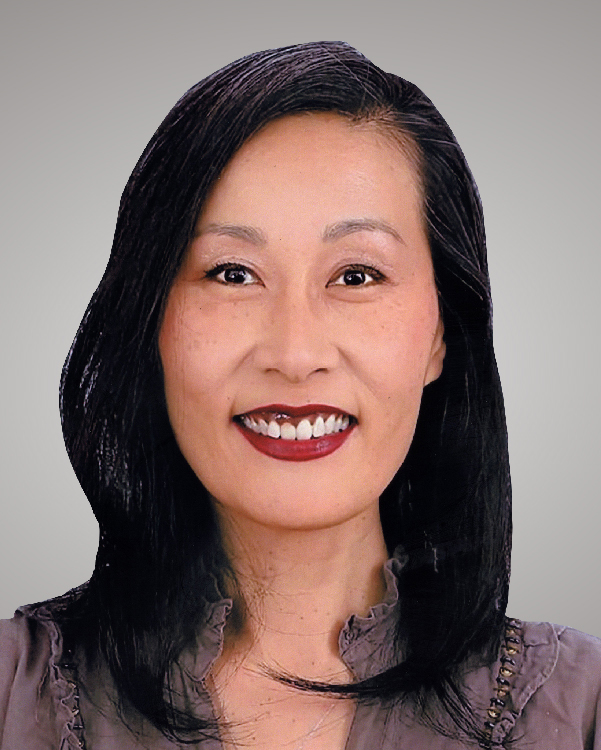
(Jae-Ha Kim is a New York Times bestselling author and journalist. You can reach her at www.jaehakim.com, follow her on Instagram and X @goawaywithjae, or read more from her on Substack (jaehakim.substack.com).)
©2026 Jae-Ha Kim. Distributed by Tribune Content Agency, LLC.
(c) 2026 DISTRIBUTED BY TRIBUNE MEDIA SERVICES, INC.





Comments